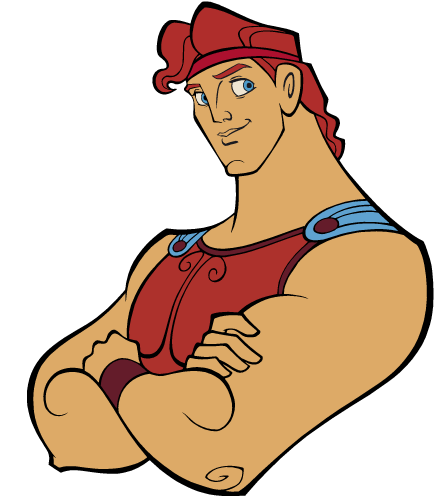
From the get go, these two films don't look like they'd have much in common. Pan's Labrynith (directed and written by Guillermo del Toro) is a live action fantasy horror film set in Spain during the Spanish civil war, with a girl trying to escape her terrible reality. Hercules (directed by John Musker and Ron Clements and written by Ron Clements, John Musker, Donald McEnery, Bob Shaw, and Irene Mecchi) is a animated musical comedy about a young man who finds out he is the son of gods and must prove himself to return as one of them. So how are these similar? I'm glad you asked.
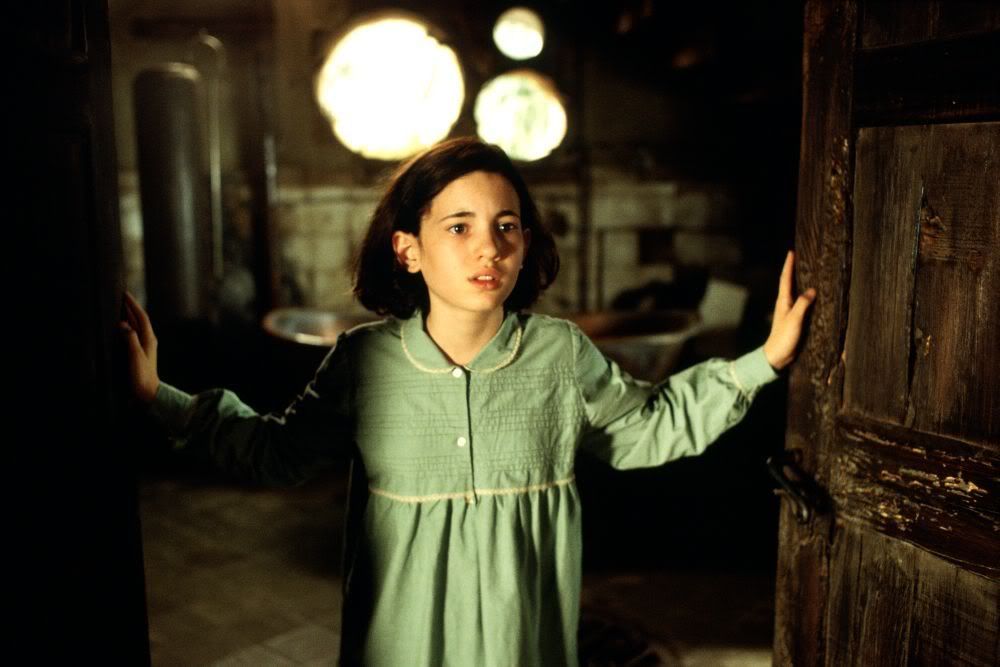

Both stories focus on a young person who feels trapped in their life situation and feel that they'd be better off being somewhere (and being someone) else. This established in both of their back stories at the beginning of each film. In Ofelia's story, the film begins with the narrator telling the tale of the princess of the Underworld leaving to see the sun, and how her subjects await the day for here soul to return. For Hercules' story, we see at the beginning of the film he was stolen from Olympus and almost murdered by evil henchmen until a human couple found him. Both characters don't feel they belong where they are right now, and that they are destined for something greater.
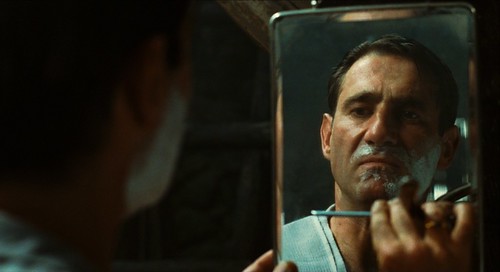
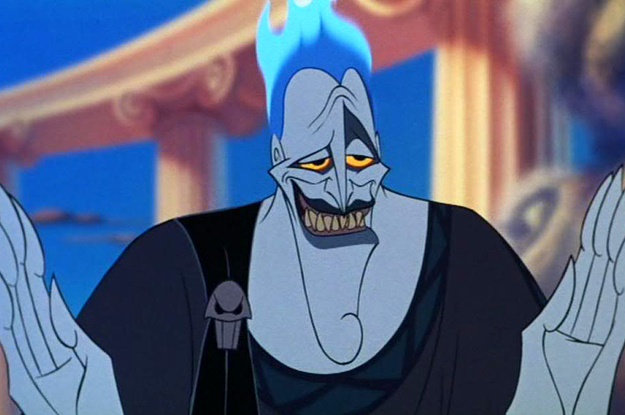
Both films have strong antagonists related to the protagonist and try prevent them from reaching their goal. In Pan's Labyrinth, the antagonist is Captain Vidal, who is Ofelia's stepfather. He is cruel, ruthless, and has no love for Ofelia or her mother. His goal is to continue to hold power and defeat the rebels in the mountains. In Hercules, the antagonist is Hades, ruler of the Underworld. While it is not explicitly said in the film, Hades in Zeus' brother in Greek mythology, so he would be Hercules' uncle. His goal is to destroy Hercules so that nothing stands in the way of him taking over Olympus. Both antagonists are scheming, witty, and a huge danger to the protagonists quest.


Both characters find out through magical means that they are supernatural royalty. For Ofelia, she finds out through the fairies who lead her to the labyrinth where the faun tells her of her history, and that she must complete three tasks by the full moon in order to return to her throne. For Hercules, he goes to the Temple of Zeus, where Zeus tells him of his heritage and that he must prove himself a true hero in order to return to Olympus. Both characters are confronted with this enormous truth about themselves, and decide to set out to fulfill these tasks in order to return where they belong.

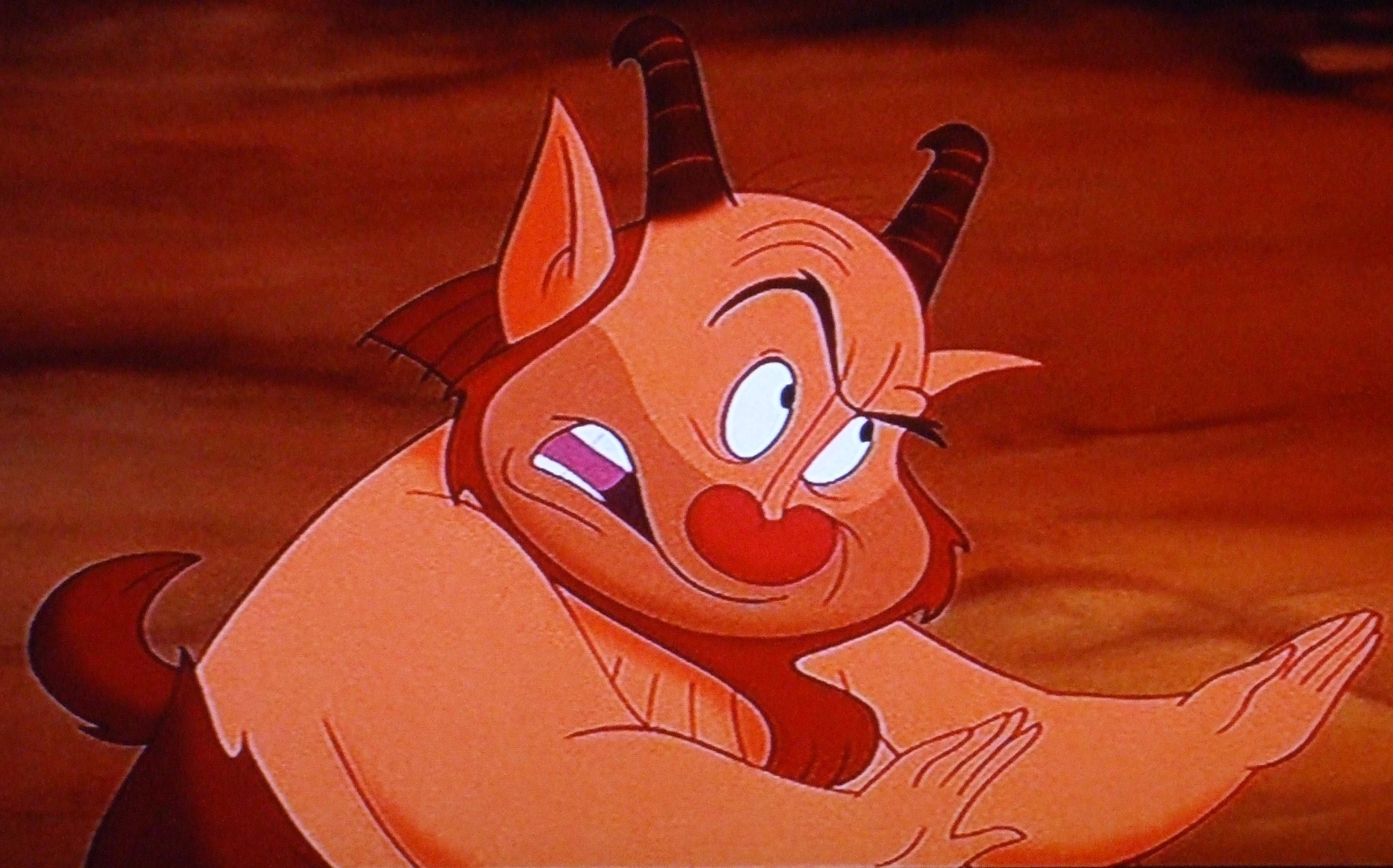
Both characters are guided on their quest by mythical, animalistic creatures. Ofelia has the guidance of the faun, who instructs her on quests and reminds her of her short time to complete them. Phil is Hercules' trainer and mentor, who gets him in "hero" shape so that he's ready to face any challenge he needs to. Both characters, while not only looking similar, use their influence to guide the protagonist in the direction they want to go. Also, both of these characters abandon the protagonist and leave them to face the dangers alone, but return when most needed (the faun returns right before the full moon and when the rebels attack, and Phil returns right as Hercules' almost gives up when battling the Cyclops).


Both protagonists in these films faces nasty, vile horrors in order to complete their mission. Ofelia not only had to crawl into the tree to confront the toad, but she was almost eaten alive by the Pale Man in his layer during her second task. Hercules' first battle as a hero was against the Hydra, who grows three heads for every one cut off, making it an almost impossible for to defeat. Both creatures are disturbing in design (Pale Man with his saggy skin and eyes in his hands, Hydra with its heads erupting from its neck), and almost defeat our protagonists. They almost bring their quest to an end.

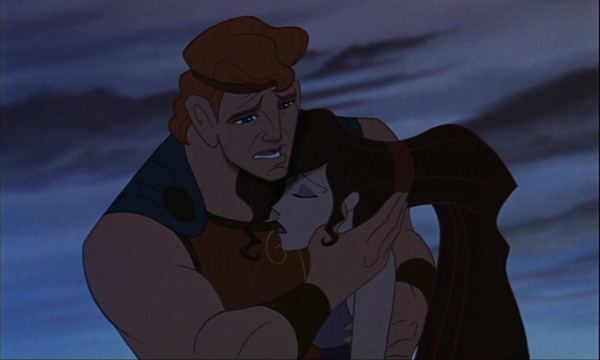
Both characters at one point give up their quest when someone they love is in danger. Ofelia is told she must let her brother be harmed in order for her to return to the Underworld, but she refuses to let him be hurt, giving up her spot as princess to save him. Hercules loses Meg when she sacrifices herself to save him, and he risks his life to go to Hades to get her soul back. What is very interesting about these scenes is that both of them are set in very dark green, blue, and grey tones. The color scheme is very cold, and you can feel the turmoil these characters feel about the choices they have to make.
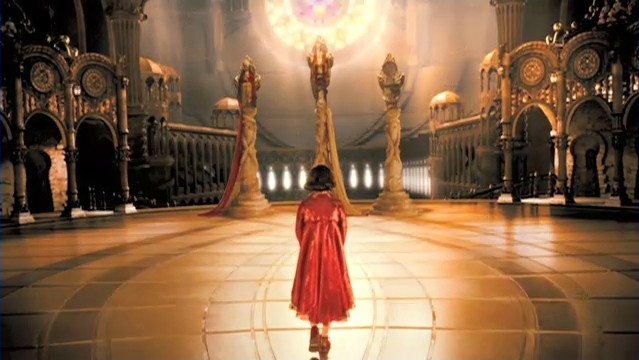

Both are shown their homelands at the end of the film. Ofelia is returned as princess, where she is dressed in a red cloak and meets the king and queen for the first time. Hercules is wearing purple after completes his task, and is shown Olympus for the first time. Both of these scenes are warm-toned, with reds, oranges, and golds dominating the color scheme. This is to contrast the previous sad scenes, and to show the victory of the protagonists in finally reaching home.
Del Toro reflecting off of Hercules works in his advantage, this structure of story is a very strong and solid one. The idea of using the story/myth structure of the lost heir who must return to their homeland works wonderfully along the gritty, brutal reality of post-Civil War Spain, as it allows Ofelia (and the audience) a chance to distance themselves from the real horrors happening and be enveloped in fairy tale. Hercules' "lost heir" narrative was a good choice, and it is a solid narrative to choose when dealing with a child who does not fit in with either her family or her own reality.